The Life Cycle of Head Lice: Understanding and Preventing Infestations
Head lice are small, wingless insects that infest human hair and feed on blood. They can cause discomfort and embarrassment, but understanding their life cycle is key to preventing and managing infestations. In this blog, we’ll take a closer look at the stages of head lice development, how they spread, and what you can do to eliminate them.
Stage 1: The Egg (Nits)
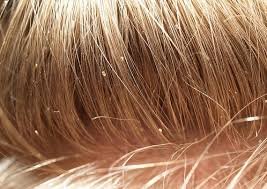
The life cycle of head lice begins with the egg, also known as a nit. These tiny, oval-shaped eggs are usually laid close to the scalp, near the hair shaft. Nits are cemented to the hair with a sticky substance, making them difficult to remove. They are often mistaken for dandruff or hair products, but nits are typically found near the roots of the hair, often behind the ears or at the back of the neck.
The eggs are usually laid by a female louse and can take anywhere from 6 to 9 days to hatch. Nits can be white, yellow, or brown in color, and they may blend into the hair, making them hard to spot. The presence of nits close to the scalp is often the first sign of an infestation.
Stage 2: The Nymph
Once the eggs hatch, the young lice, called nymphs, emerge. Nymphs look like adult lice but are smaller in size and pale in color. They will feed on blood right after they hatch and begin to grow. During the next 7 to 10 days, nymphs molt several times before reaching adulthood.
Nymphs can cause itching and irritation as they begin to feed on blood. They move from one hair strand to another by crawling, and while they can’t fly or jump, they can spread through direct contact with another person who has head lice.
Stage 3: The Adult Louse
An adult louse reaches maturity after about 9 to 12 days of feeding and molting. Adult lice are about the size of a sesame seed, with six legs and a light brown or grayish color. The adult female is capable of laying eggs within 24 to 48 hours after mating, continuing the life cycle.
An adult louse can live on the scalp for up to 30 days, but it can only survive for about 1 to 2 days without a blood meal. The adult louse moves through the hair by crawling, and its bite can cause significant irritation, leading to itching.
How Head Lice Spread
Head lice are spread primarily through direct head-to-head contact with an infested person. This is why lice are common in places where people gather closely, like schools, daycares, and summer camps. Lice can also spread by sharing personal items such as hats, combs, hairbrushes, and headphones, although this is less common.
Lice do not jump, fly, or swim, so their movement is primarily limited to crawling. This makes head-to-head contact the most likely mode of transmission.
Preventing and Treating Head Lice
Prevention of head lice involves avoiding direct contact with individuals who have an active infestation. Teaching children not to share personal items and encouraging good hygiene practices can also help reduce the risk of lice. Regularly inspecting the hair for nits and lice can help detect an infestation early.
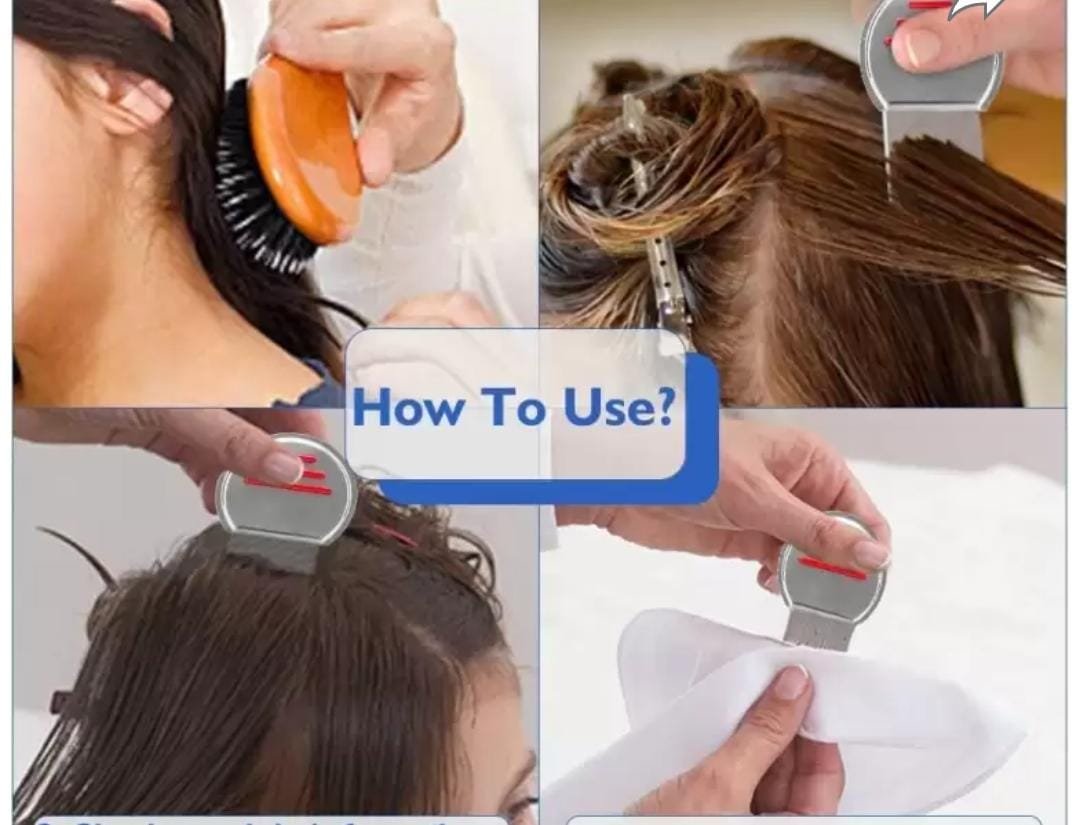
If you do find lice, treatment typically involves using medicated shampoos or over-the-counter treatments designed to kill lice. Follow the instructions carefully, as some treatments may require a second application to fully eradicate the lice and their eggs. Additionally, manually removing nits with a fine-toothed comb can be effective in reducing the likelihood of reinfestation.
Conclusion
Understanding the life cycle of head lice is essential in preventing and managing an infestation. By recognizing the stages of development and knowing how lice spread, you can take proactive steps to protect yourself and your family. If you do find yourself dealing with lice, don’t panic—early intervention, treatment, and proper cleaning practices can help you get rid of head lice quickly and efficiently.